This is a guest contribution from Sarah Baker at Valley Athletics.
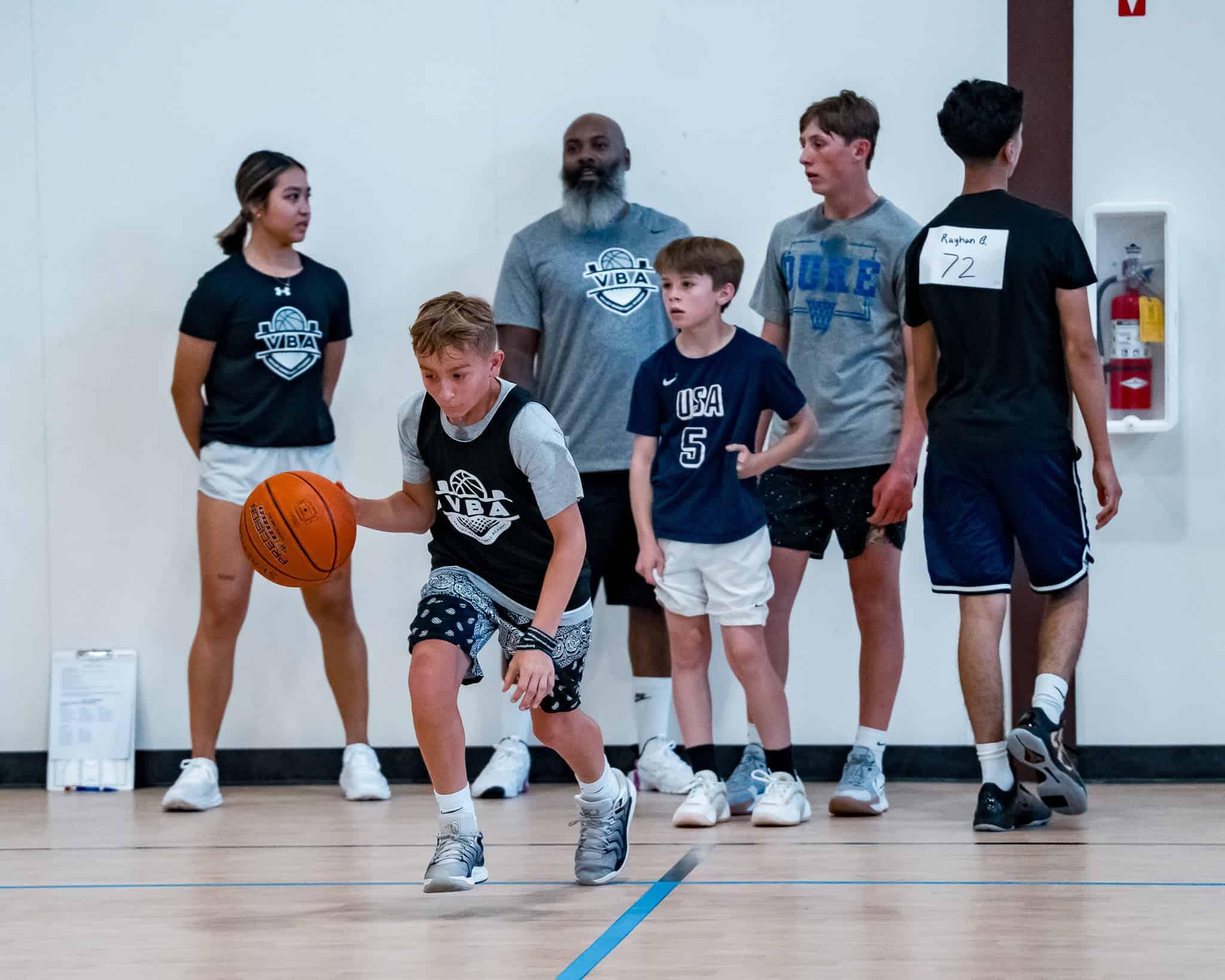
Walking into an AAU basketball tryout can make you feel like you need to prove everything at once. You may think you need to score, make flashy plays, and show the coach everything you can do.
But scoring is only one part of the evaluation.
At AAU basketball tryouts, coaches have a limited amount of time to evaluate players. They may be watching your fundamentals, effort, decision-making, defense, communication, attitude, and how well you respond to coaching. What stands out can also depend on the team's needs, your age group, position, and level of competition.
So how can you make a strong impression without trying to do too much?
Let's look at what coaches actually look for at AAU basketball tryouts and how you can show those qualities on the court.
What Do Coaches Look for at AAU Basketball Tryouts?
There is no single checklist that every AAU coach follows. However, several qualities consistently matter when coaches evaluate players.
1. Strong Basketball Fundamentals
You do not have to be exceptional at every basketball skill. Coaches first want to see whether your fundamentals are reliable and whether you can execute basic skills when the pace increases.
They may evaluate:
- Ball handling
- Passing
- Shooting
- Finishing
- Footwork
- Defense
- Rebounding
Can you control the ball under pressure? Can you make a simple pass to an open teammate? Can you finish without losing control? Do you understand basic defensive positioning?
A player with solid fundamentals gives a coach something to build on. You may not have the best handles or the strongest shot in the gym, but being dependable with the basics can still make a strong impression. Skill execution and role-specific fundamentals are common parts of basketball tryout evaluations.
2. Hustle and Effort on Every Possession
Effort is one of the easiest qualities for a coach to evaluate because every player can demonstrate it, regardless of scoring ability.
Coaches notice players who:
- Sprint back on defense
- Run the floor
- Box out
- Chase rebounds
- Dive for loose balls
- Move without the basketball
- Compete during every drill
For example, missing a shot is normal. Watching the play afterward is a different matter. If you immediately get back on defense and stay involved in the next play, you show that you are willing to compete through mistakes.
Hustle, energy, and doing the small things are repeatedly highlighted as ways players can distinguish themselves during tryouts.
3. Basketball IQ and Decision-Making
Coaches generally want players who can make good decisions rather than players who try to make a highlight on every possession.
They may watch whether you:
- Make the extra pass
- Take good shots
- Avoid unnecessary dribbling
- Understand spacing
- Rotate correctly on defense
- Recognize mismatches
- Make quick decisions
A player who sees an open teammate and makes the pass can sometimes make a better impression than someone who dribbles through several defenders trying to create a highlight.
Basketball IQ is especially important during live play because it shows whether you can apply your skills in a team setting rather than only during isolated drills.
4. Defense and Willingness to Do the Little Things
You can stand out at a tryout without scoring many points.
Coaches may notice players who stay in a defensive stance, move their feet, contest shots, and stay with their assignment. They also watch the less obvious parts of defense, such as boxing out, helping teammates, communicating, and getting back quickly in transition.
If you are willing to defend and consistently do the small things that help your team, you give the coach another reason to remember you.
Defense can also reveal effort and toughness because players have to compete even when they do not have the ball. Tryout evaluations commonly use 1-on-1, small-sided, and 5-on-5 situations to see how players defend and make decisions.
5. Communication and Team Awareness
Good communication shows that you are paying attention to what is happening around you. It can also demonstrate leadership, even if you are not the most experienced player on the court.
Coaches may notice players who:
- Call out screens
- Talk on defense
- Communicate during transitions
- Help teammates with positioning
- Encourage teammates
- Communicate when switching or helping
You do not need to constantly yell. Simple, useful communication at the right time is enough.
Communication is particularly valuable during tryouts because coaches may not know how well players will work together yet. A player who communicates early and consistently can make a positive impression without needing to dominate the ball.
6. Coachability
One of the most important things a coach can evaluate is what happens after they give you feedback.
Coaches want players who listen to instructions, pay attention, apply corrections, and adjust their play.
For example, if a coach tells you to stop reaching on defense and focus on moving your feet, they may watch your next few possessions to see whether you actually make that adjustment.
You do not have to be perfect. Showing that you can listen, learn, and improve can be more valuable than pretending you already know everything.
Coachability and the ability to turn feedback into action are consistently identified as important qualities in basketball players.
7. Team-First Attitude
There is a difference between standing out and trying to do everything yourself.
A player trying too hard to impress a coach may force shots, over-dribble, ignore open teammates, or try to control every possession. That can make it harder for a coach to evaluate how the player fits into a team.
Instead, look for opportunities to:
- Share the basketball
- Make the extra pass
- Celebrate teammates
- Show good sportsmanship
- Help teammates
- Play within the team's system
- Stay positive
Making your teammates better is part of standing out too.
Coaches often value players who contribute to a positive team environment and demonstrate strong character, leadership, and sportsmanship.
8. How You Respond to Mistakes
Every player will make mistakes at a tryout.
You will miss shots, turn the ball over, make a bad pass, or lose a defensive assignment. What coaches often want to see is what happens next.
Do you drop your head and stop competing?
Or do you immediately get back on defense and try to make the next play?
A mistake is part of basketball. Your response to it can show composure, resilience, and mental toughness.
Tryout guidance from experienced coaches repeatedly emphasizes moving on quickly after mistakes instead of allowing one bad possession to affect the next one.
What Matters More Than Scoring at an AAU Tryout?
Scoring matters, but it is not the only thing coaches see.
A player can make a strong impression through the things they do between scoring opportunities. Coaches are evaluating how you contribute to possessions, how you respond to pressure, and whether your decisions help the team.
You do not need to consciously check every box during the tryout. Focus on playing the right way, and these habits will become visible naturally.
How to Stand Out at AAU Basketball Tryouts Without Trying to Do Too Much
Trying too hard to impress a coach can sometimes hurt your game. You do not need a highlight play every time you touch the ball.
Instead, focus on these six things:
1. Play to Your Strengths
Know what you do well and use it. If you are a strong defender, defend. If you are a good passer, move the ball. If you are a reliable shooter, take open shots within your range.
Trying to suddenly become a different type of player during a tryout can lead to poor decisions. Experienced tryout coaches specifically recommend players rely on their strengths rather than forcing skills outside their game.
2. Make Simple, Smart Plays
Take good shots, make the open pass, protect the basketball, and avoid forcing plays that are not available.
You do not need to make the most complicated play to get noticed.
3. Be Active Without the Ball
Do not stand and watch after giving up the basketball.
Cut, screen, rebound, run the floor, move into open space, and help create opportunities for your teammates.
4. Communicate
Talk on defense, call out screens, communicate during transitions, and help teammates when you see something they may have missed.
5. Listen to Coaches
If a coach gives you an instruction, apply it during the next possession.
This is one of the clearest ways to demonstrate coachability.
6. Move On from Mistakes
Make the next play.
Do not allow one turnover or missed shot to turn into several poor possessions. Reset quickly and stay engaged.
How Should Players Prepare Before AAU Tryouts?
You do not need to completely change your game before a tryout. Instead, prepare the areas coaches are most likely to evaluate.
Before AAU tryouts, focus on:
- Sharpening your fundamentals
- Improving basketball skills and conditioning
- Practicing game-speed decisions
- Playing live basketball
- Getting enough rest
- Arriving early
- Warming up properly
- Knowing your strengths
- Entering with a team-first mindset
It is also worth remembering that preparation is not just about getting in extra shots the night before. Consistent skill development, conditioning, and purposeful practice give you a better foundation going into tryouts.
A good night's sleep and a proper warm-up can be more useful than trying to squeeze in another difficult workout at the last minute.
Closing Thoughts
AAU basketball tryouts are about more than finding the player who scores the most points.
Coaches are looking at your fundamentals, effort, decision-making, defense, communication, coachability, teamwork, and response to mistakes. The exact priorities can vary from one AAU program to another, but players who consistently compete, make smart decisions, and contribute to their teammates give coaches plenty to notice.
You do not have to be the flashiest player in the gym.
Play hard. Make smart decisions. Stay involved. Listen to your coaches. Do the things that help your team win.
Those habits can make a much stronger impression than trying to force a highlight every time you touch the ball.
Editor's note from Jordan: if you're getting ready for tryouts at home, my free 7-day workout plan pairs well with everything above.
